

A Day in the Life (Our Monastic Horarium)
“The succession of the hours of the Premonstratensian day is arranged as a long, varied, and expressive liturgy. From profession to burial, even in the smallest actions of daily life, everything copies the fragrance of the Church’s maternal prayer and the majesty of her sacred rites.”– Fr. François Petit, O. Praem. (slightly adapted)

St. Norbert advised his sons and daughters that without a day order (horarium), a rule, and the institutes of the Holy Fathers, the evangelical and apostolic way of life which we have vowed to live could not be completely observed (cf. Vita Norberti B, Ch. 24). Our daily schedule revolves around the celebration of the Sacred Liturgy, which is the source of our apostolic way of life and the summit in which all the activities of our day find their ultimate meaning.
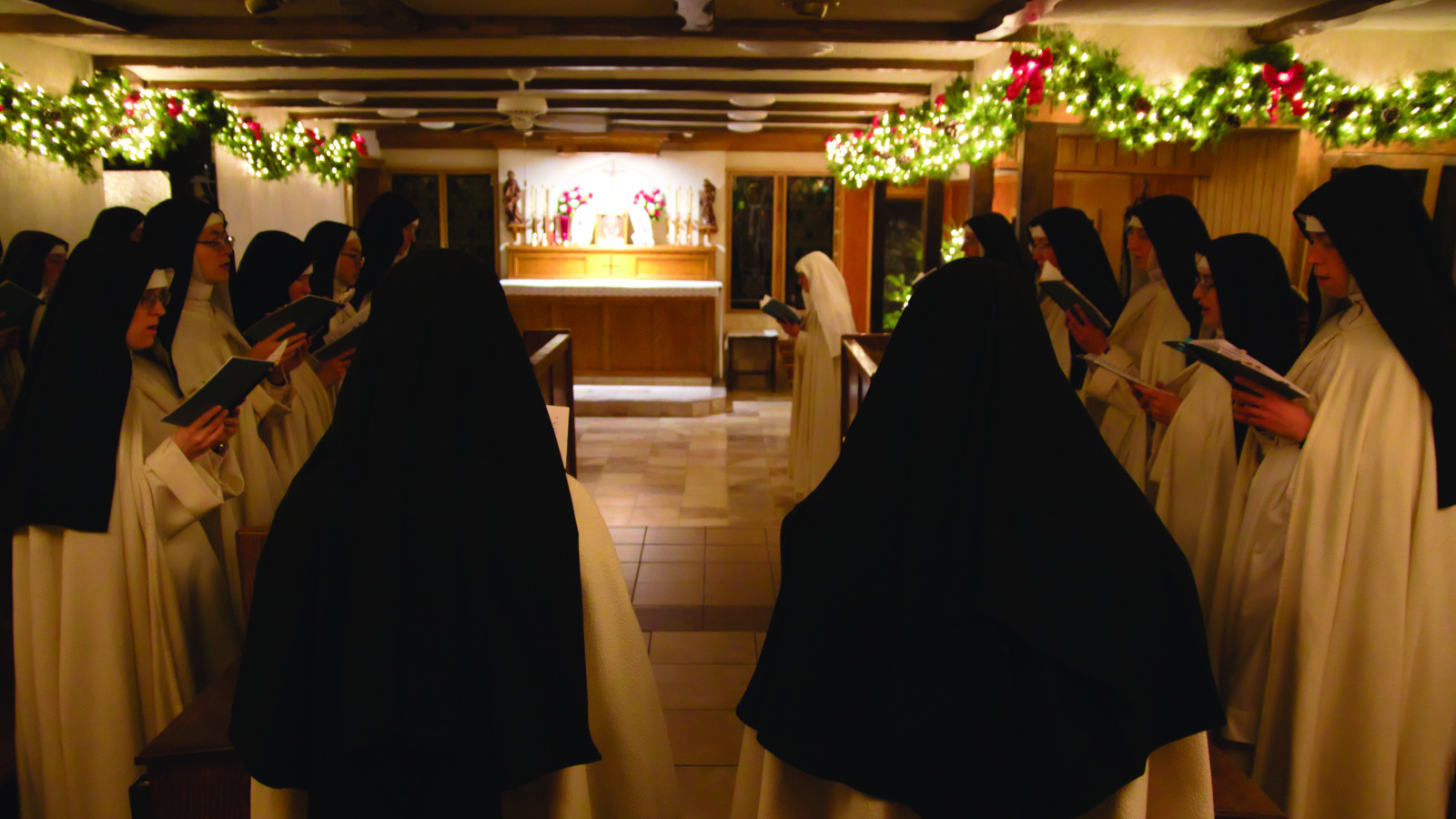
12:00 am Matins
“At midnight, there was a cry. Behold, the Bridegroom! Come out to meet Him!”Mt. 25:6
At the Bethlehem Priory, our day begins at midnight with the liturgical hour of Matins. This hour, observed during the night vigil, has “an eschatological character, recalling the watching recommended by Jesus in expectation of His second coming” (Pope St. John Paul II, General Audience, April 4, 2001, cf. Mk. 13:35-37). Rising at midnight to recite the psalms is an ancient monastic exercise which has it roots in pre-Christian Jewish Liturgy: “At midnight I rise to praise you, because of your righteous rules” (Psalm 119:62). It is recorded in the book of Acts that “about midnight Paul and Silas were praying and singing hymns to God, and the prisoners were listening to them” (Acts 16:25).
5:10 am Rise and Breakfast
“Know you not that every day you should offer God the first fruits of your heart and voice? Make haste at dawn to carry to the Church the first fruits of your devotion.”St. Ambrose, Exposition on Psalm 118
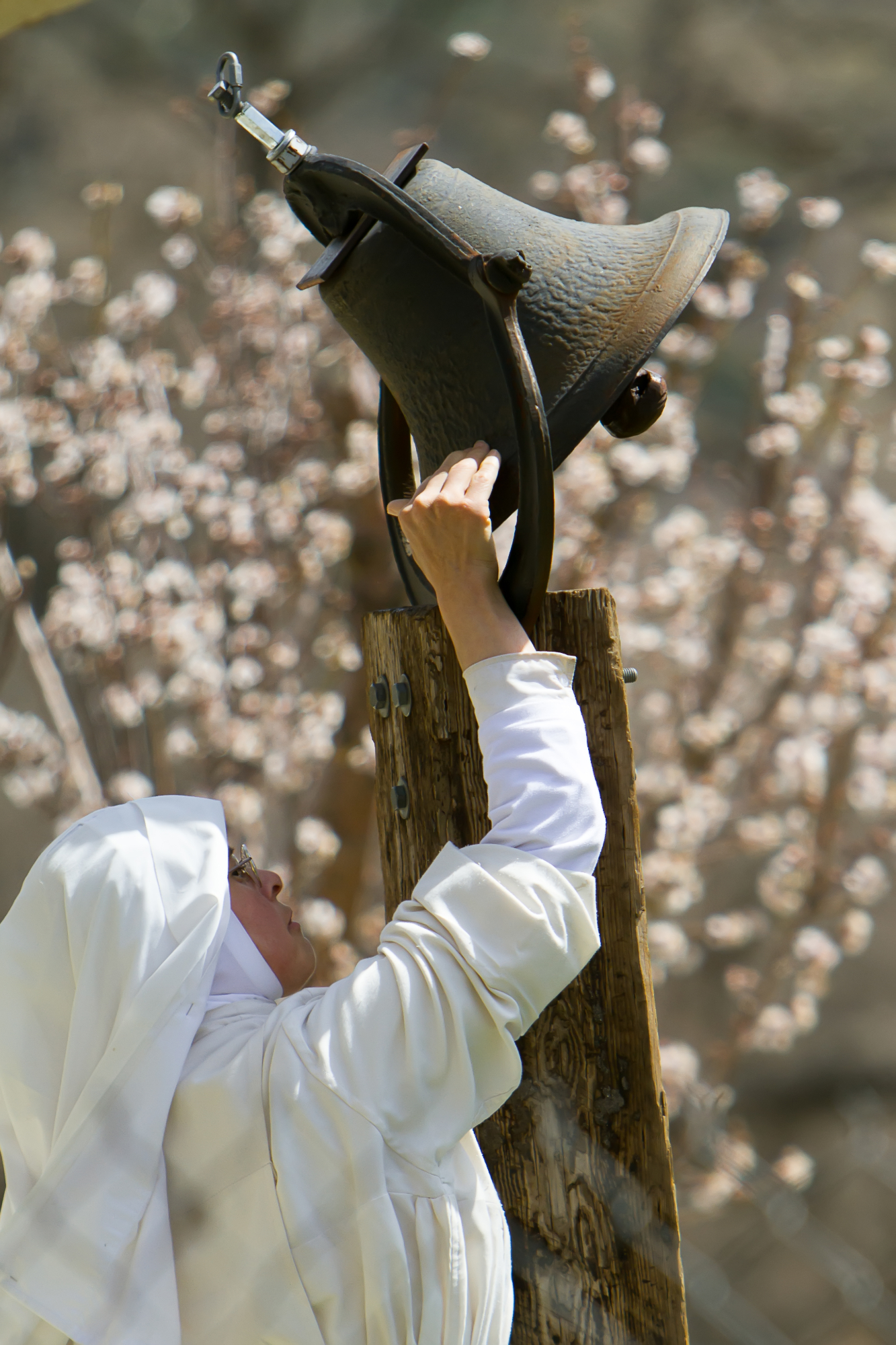
A bell is rung in the dormitories, calling all to a new day of prayer, work, and community life. Upon rising, we go first to greet Our Lord in the Blessed Sacrament, consecrating the whole day to Him. After this, there is time for an optional breakfast and other preparations for our day.
6:00 am Lauds
“To you I pray, O Lord; at dawn you will hear my cry; at dawn I will plead before you and wait.”Ps. 5:3-4
By long tradition, each hour of the Liturgy of the Hours commemorates some mystery or event in salvation history. Thus, we pray Lauds at early dawn “that the Resurrection of the Lord may be celebrated by Morning Prayer” (St. Cyprian, On the Lord's Prayer, 35). “In the evening the Lord is on the Cross, in the morning he rises to new life…In the evening I relate the sufferings he bore in dying; in the morning I proclaim the life that dawns from Him anew” (St. Augustine, Exposition on Psalm 26). Following Lauds, we pray together a prayer for vocations, the morning offering, and the Angelus.
6:35 am Lectio Divina
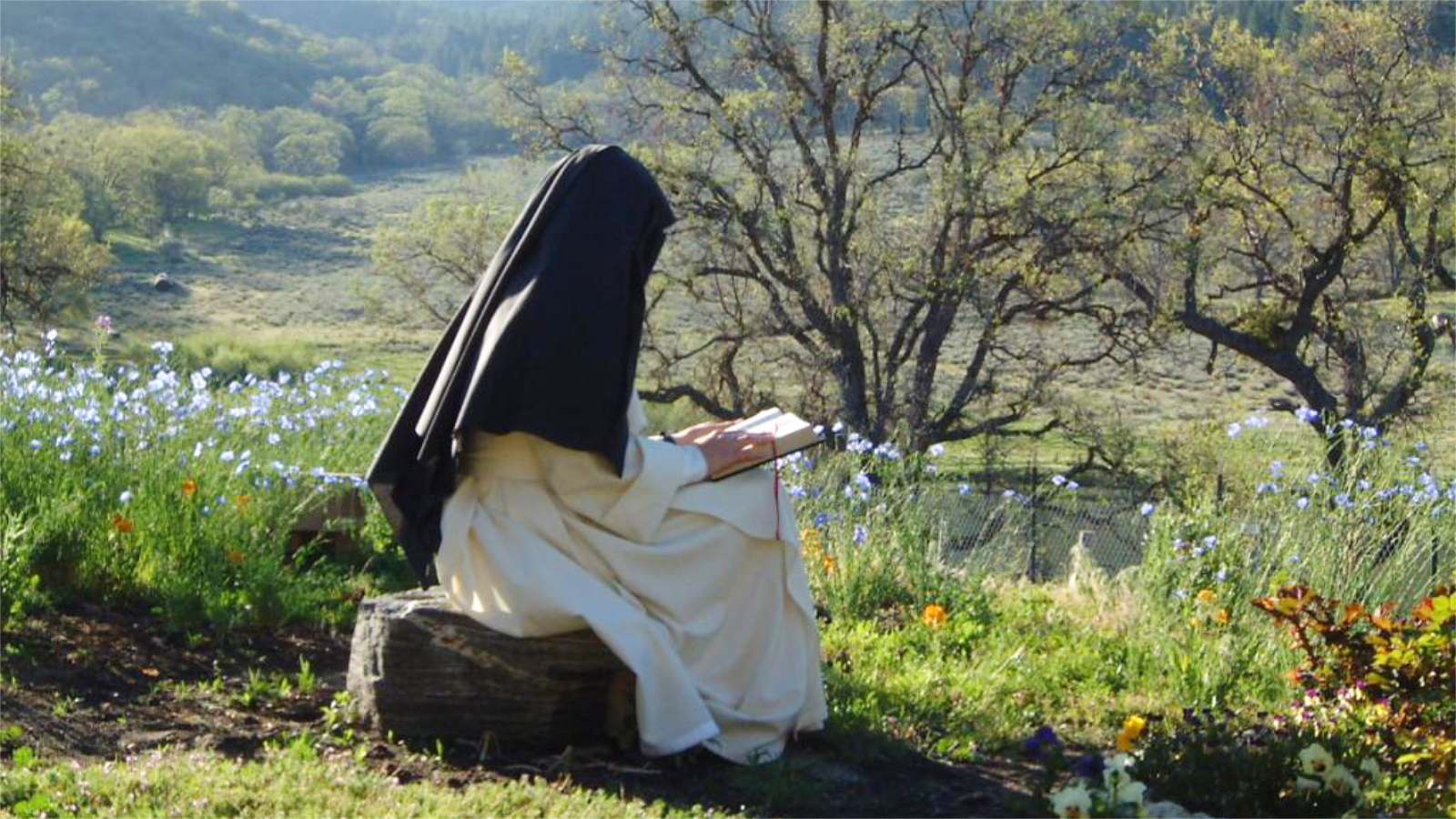
“Their delight is in the law of the Lord and on his law they meditate day and night.”Ps. 1:2
Lectio Divina, the prayerful reading of Scripture, is an integral part of our Norbertine tradition and spirituality. The early Premonstratensians memorized the Scriptures, and meditated on them by night and by day. Lectio is an essential means to the “renewal of the mind,” of which St. Paul speaks (cf. Romans 12:1). As Norbertine Canonesses, our renewal of mind finds its ultimate expression in the “offering of our bodies,” in union with the Eucharistic Lord, as a living sacrifice for the glory of God and the salvation of our brethren.
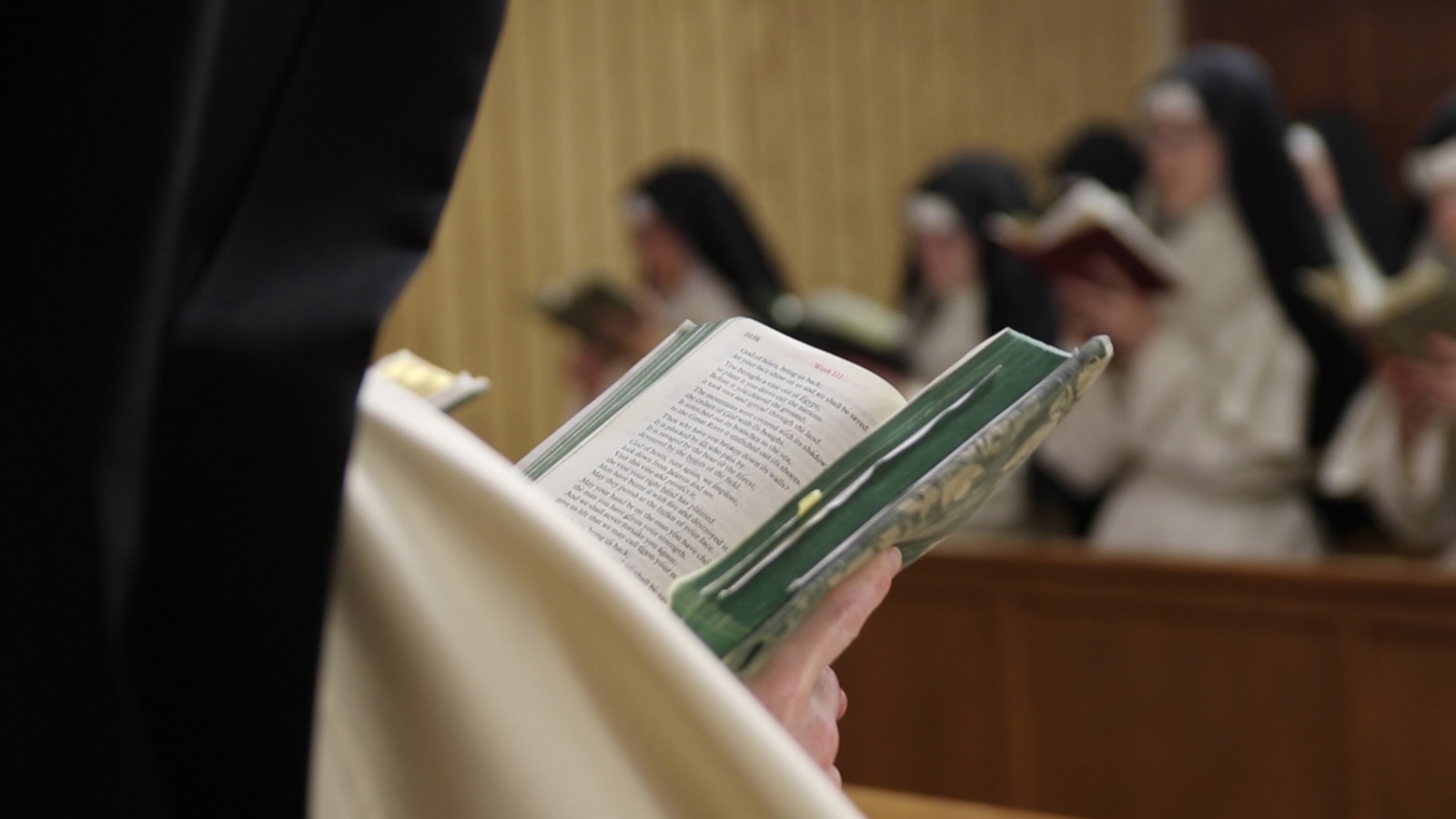
7:40 am Terce (Midmorning Prayer)
“It was nine o’clock in the morning (the third hour) when they crucified him.”Mk. 15:25
As the General Introduction on the Liturgy of the Hours (nn. 74-75) notes: "In imitation of the Apostolic Church and from the earliest times, Christians in their private devotions have, even in the midst of their work, dedicated various moments to prayer throughout the course of the day. This tradition has been associated in different ways with liturgical celebrations. Liturgical custom in both East and West has especially retained Terce, Sext and None, principally because these hours commemorated the events of our Lord’s Passion and the first preaching of the Gospel." Terce is the first of these "little hours" which commemorates the crucifixion of Our Lord, and is also especially associated with the descent of the Holy Spirit at Pentecost.
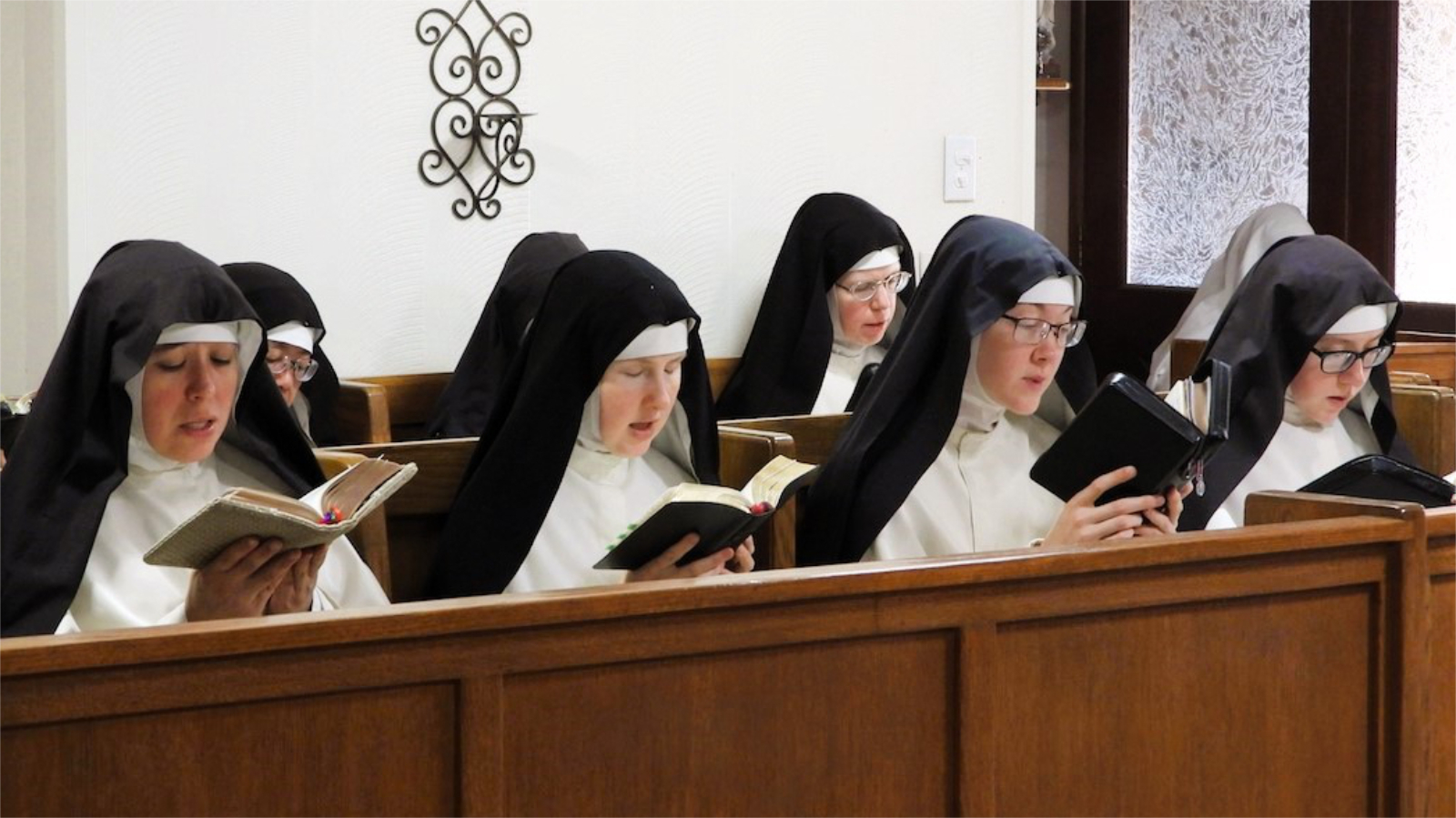
8:00 am Holy Mass
“The Mass is at the same time, and inseparably, the sacrificial memorial in which the sacrifice of the Cross is perpetuated and the sacred banquet of communion with the Lord’s body and blood.”Catechism of the Catholic Church, 1382
As Canonesses of Prémontré, the Holy Sacrifice of the Mass is the soul of our evangelical and apostolic way of life. The life of communion with God and with one another in God, which is the essence of our apostolic life, is brought about above all by our full participation in the celebration of the Eucharist. In the Eucharist, Jesus nourishes us, he unites us with himself, with his Father, with the Holy Spirit and with one another.
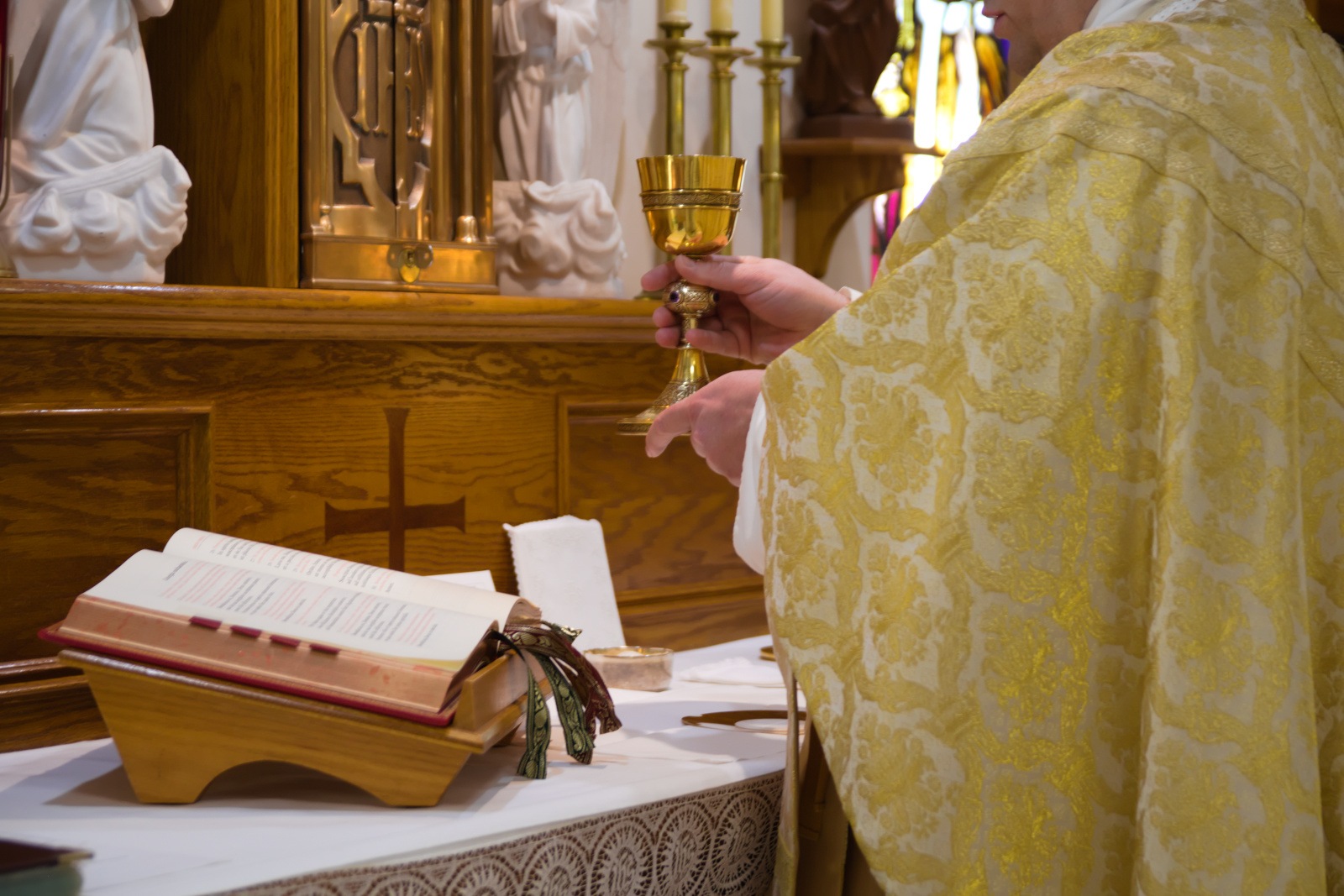
9:15 am Chapter
“At the altar, one exhibits faith and love of God; in the cleansing of one’s conscience, care of oneself…”St. Norbert
“Since we are continuously tempted to separate ourselves from God and our sisters, the common life demands from us an ongoing conversion to God and to our sisters” (Constitutions of the Canonesses Regular of Prémontré, 43). The daily chapter of faults was especially recommended by our holy father St. Norbert as the place where pardon is sought and given, and penance is exercised for the building up of the common life in charity. Our daily Chapter includes the reading of the Martyrology (the official list of the saints and blesseds the Church will commemorate the following day); the reading of the Necrology (commemoration of deceased parents and confreres), followed by prayers for the Holy Souls in Purgatory; and a reading of a portion of the Rule of our Father St. Augustine, followed by a spiritual exhortation by our Mother Prioress.
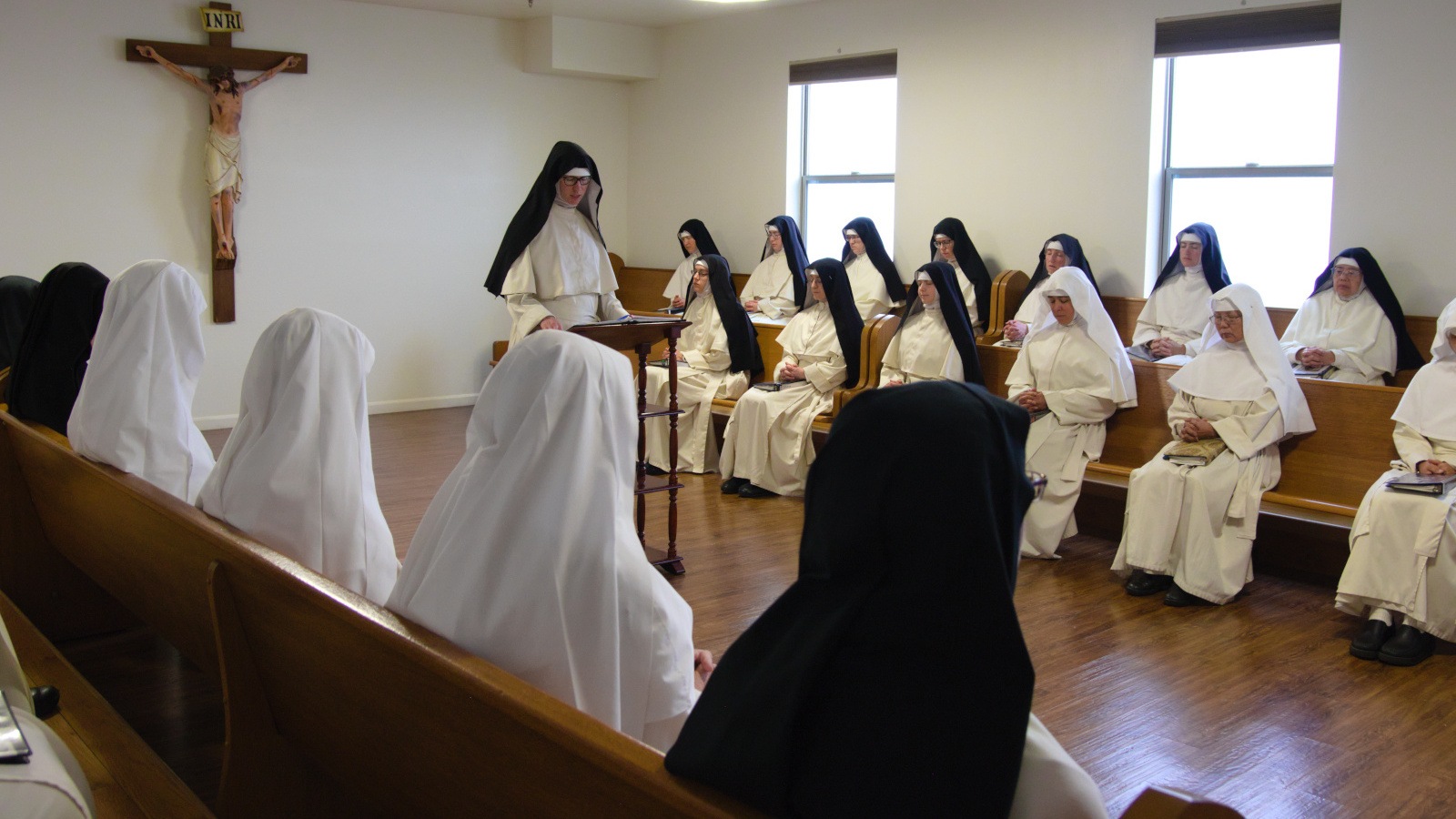
10:00 am Classes/Study/Work
“The goal of formation is to help the candidate to respond faithfully to her divine vocation, so that she may grow harmoniously into a mature human and Christian person… that she may sincerely develop a sense of Christian responsibility and may learn to dedicate herself, her qualities, and her talents to her sisters and to the Church in apostolic activity.”Constitutions, n. 141
Following the daily chapter, the remainder of the morning may be dedicated to classes and study for the sisters in initial formation, as well as to work. In addition to academic formation in Latin, Spirituality, Chant, Philosophy and Theology, formation also includes the learning and developing of various work and artistic skills. Sisters learn building and farming skills, as well as sewing, cooking, property maintenance, animal care, cheese-making, etc.
Formation is not limited to formal class periods, but includes readings and audio recordings in the refectory on a variety of topics relevant to our life, and formation in practical skills, by which the Sisters can contribute more effectively to the life and material needs of the community. All of these, as well as periodic courses and conferences, and most especially the daily living out of the monastic rhythm of our cloistered canonical life itself, are so many means of lifelong ongoing formation for all of the Sisters.
Some of our formation classes include…
- Latin
- Catechism
- Cassian
- Norbertine Spirituality
- Canon Law on the Religious Life
- Norbertine Constitutions
- Chant
- Sacred Scripture
- Spiritual Theology
- Logic
- …and more!
11:40 am Sext (Midday Prayer), Angelus, and Rosary
“From the sixth hour there was darkness over the land until the ninth hour.”Mt. 27:45
The midday prayer of Sext commemorates the crucifixion of our Lord. At this hour we beseech our “mighty Ruler and Faithful God” to “extinguish the flames of vice, take away our harmful passions, grant us health of body and peace of heart” (Hymn for Sext in Ordinary Time). Sext is followed by the Angelus and the common recitation of the Holy Rosary. The Rosary, “by immersing us in the mysteries of the Redeemer’s life, ensures that what he has done and what the liturgy makes present is profoundly assimilated and shapes our existence” (Pope St. John Paul II, Rosarium Virginis Mariæ, n. 13).
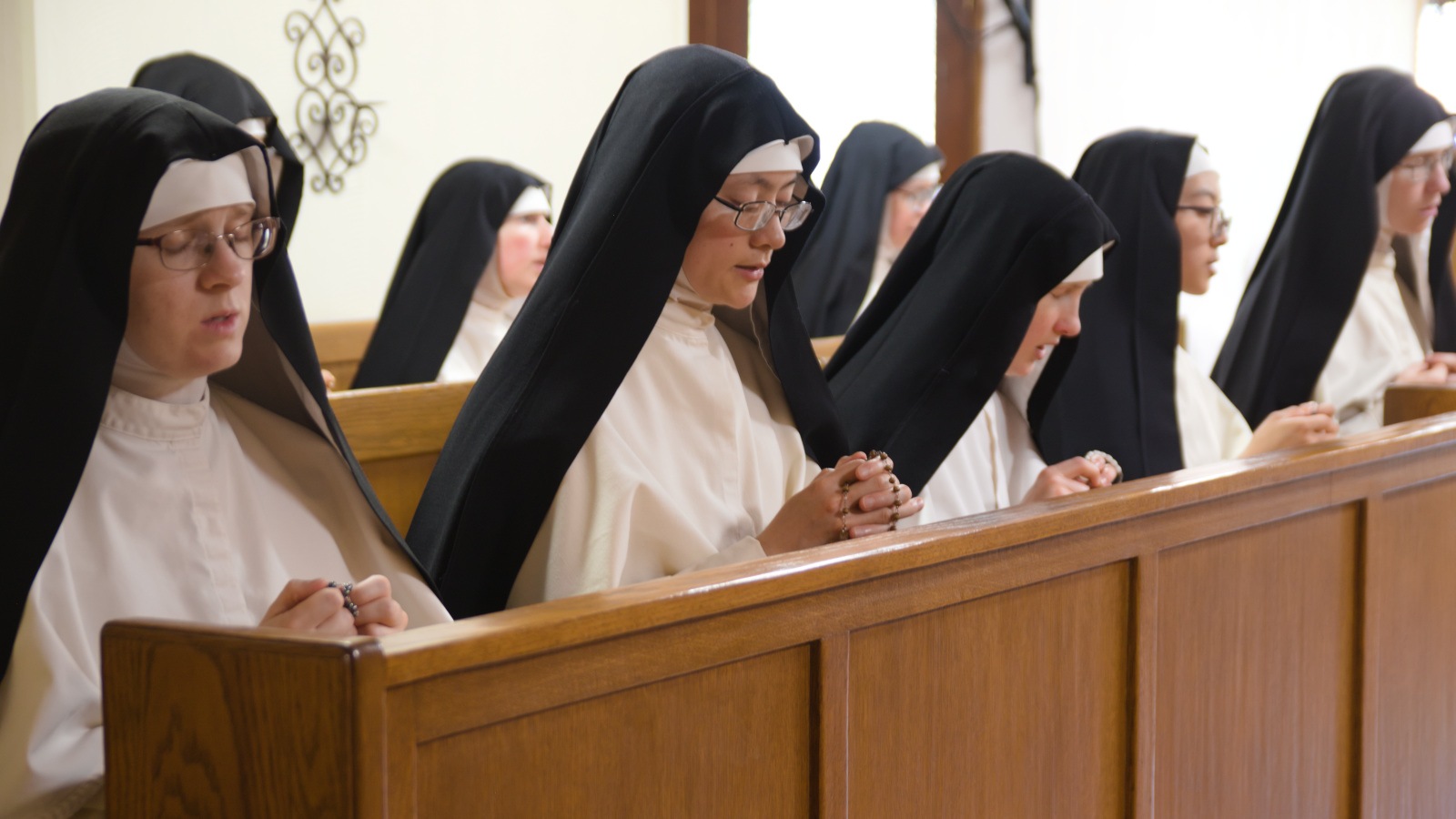
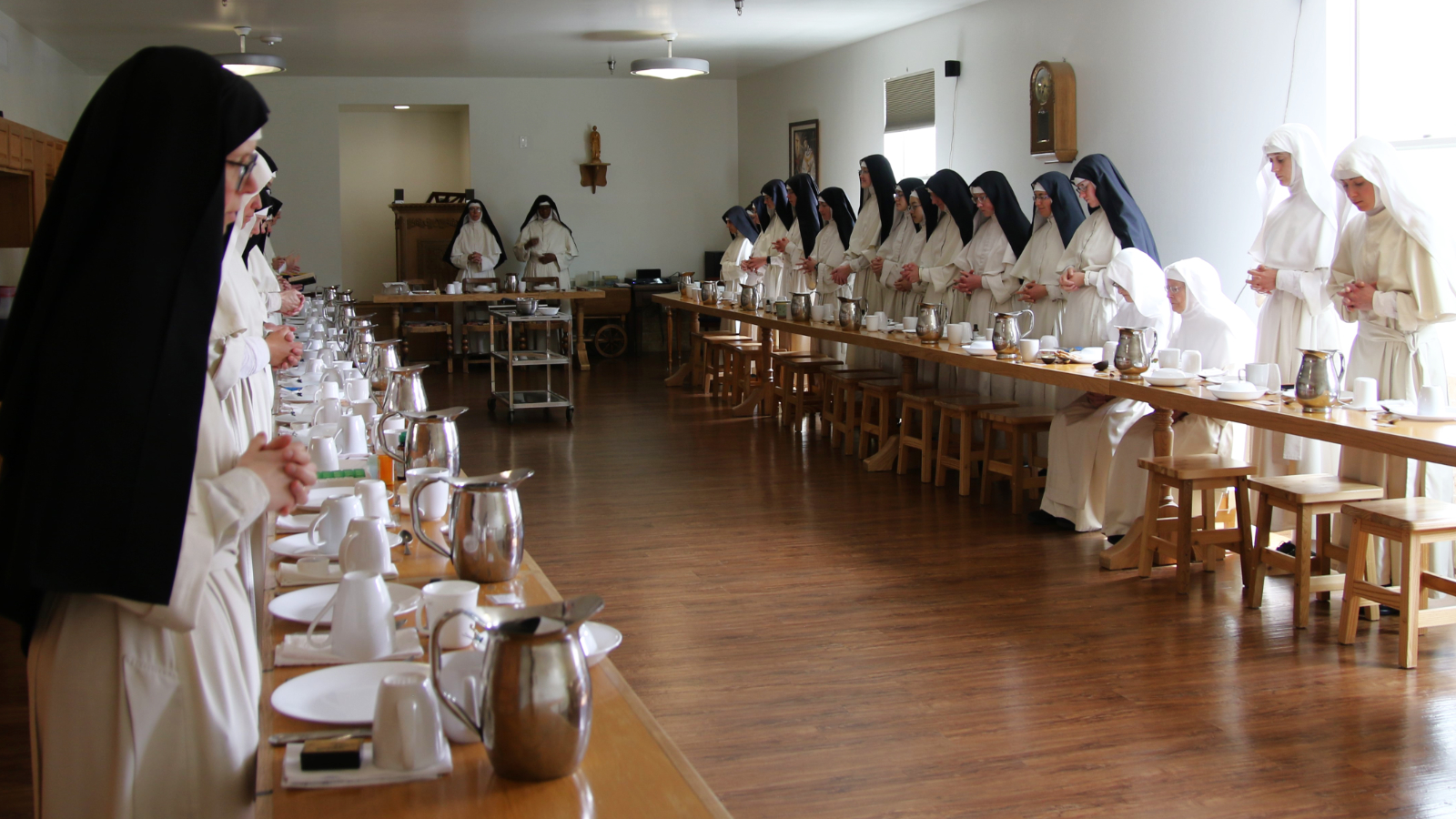
12:20 pm Dinner
“Listen to the customary reading from the beginning to the end of the meal without commotion or arguments. Food is not for the mouth alone; your ears also should hunger for the Word of God.”Rule of St. Augustine, III.2
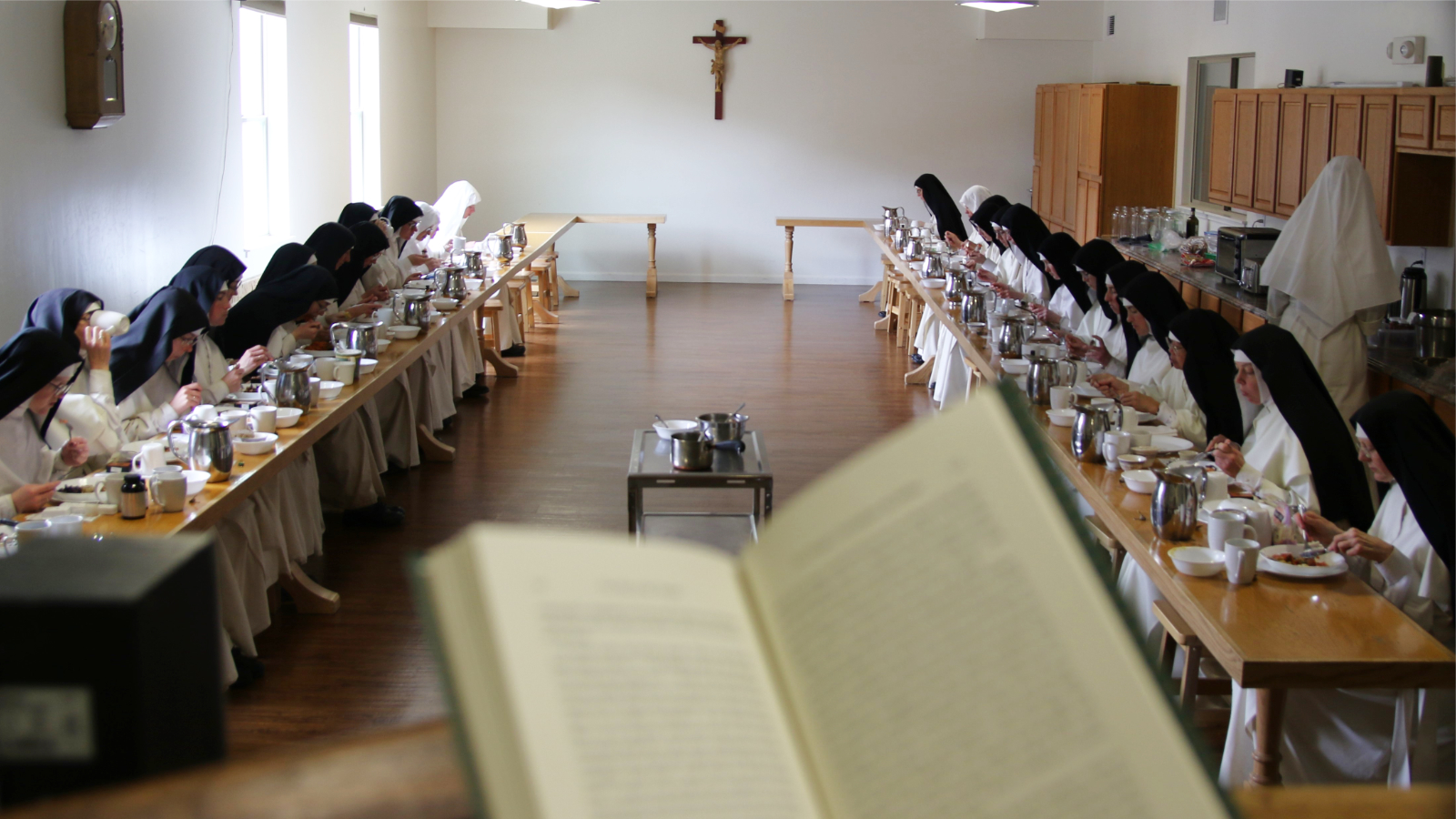
Nourished by the spiritual food of the Holy Eucharist during Holy Mass, we nourish our bodies with food for the body in our refectory (dining room). And, as we are nourished by the Word of God during Holy Mass, so we receive spiritual nourishment in the table readings which accompany our meals.
1:05 pm None (Mid-afternoon Prayer)
“Jesus cried out again in a loud voice, and gave up his spirit. And behold, the veil of the sanctuary was torn in two from top to bottom.”Mt. 27:50-51
“To the different hours of the day the liturgy of the hours extends the praise and thanksgiving, the memorial of the mysteries of salvation, the petitions and the foretaste of heavenly glory that are present in the Eucharistic mystery” (General Instruction of the Liturgy of the Hours, n. 12). The mid-afternoon prayer of None particularly recalls the hour in which our Lord gave up His Spirit.
1:30 pm Solemn Silence
“Be still before the Lord, and wait patiently for him.”Ps. 37:7
“Silence, which is necessary for tranquility and recollection in the monastery, fosters Lectio Divina, prayer and spiritual activity, which are required by the contemplative character of our life: (Constitutions, n. 85). During this afternoon hour of silence, the Sisters may pray, rest, take walks, read or engage in some other activity in which they remain recollected in and with the Lord.
2:30 pm Work
“Let no one work for herself alone, but all your work shall be for the common purpose, done with greater zeal and more concentrated effort than if each one worked for her private purpose.”Rule of St. Augustine, V.2
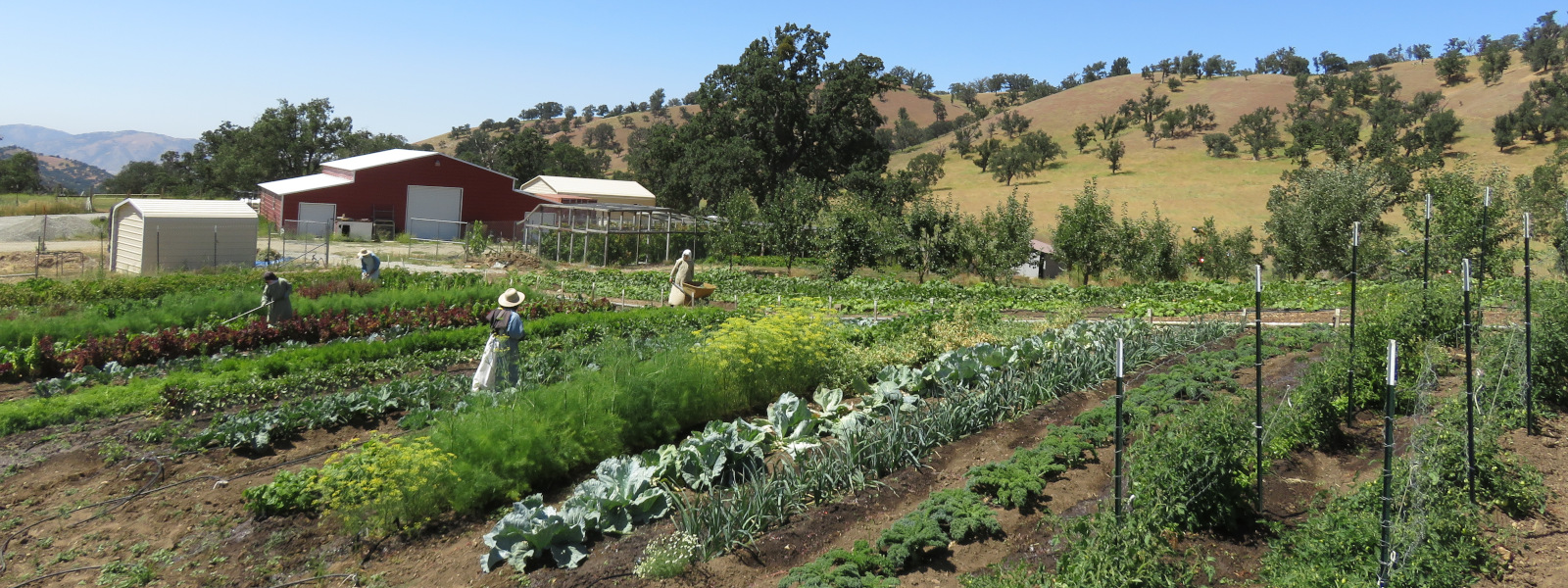
Following Grand Silence, there is an afternoon period of work, classes, or study. In addition to the daily works of running the convent, tending our animals and gardens, logging and responding to prayer requests, and administrative duties, sisters are involved in various means of contributing to our self-support, such as sewing priests' vestments, and making various items to sell in our gift store (e.g., rosaries, greeting cards, baked goods, jams, apothecary products, etc.), as well as running our little monastery gift shop and our Bethany Guest House. In the Acts of the Apostles, from which we draw the pattern of our life, the community of believers put all their resources in common to provide for the whole community (cf. Acts 2:45). It is the tradition of Norbertine communities to strive to be self-sufficient and self-sustaining. Our sisters work together, putting all our resources in common, as we seek to realize this Norbertine ideal.
Some of our work includes…
- administration, accounting, correspondence
- logging prayer requests, prayer enrollments
- gift shop & hospitality
- sacristy, preparing the Liturgy
- dairy farm & vegetable garden
- class & study, library
- rosaries, baked goods, apothecary
- artisanal cheese-making
- cooking & dishes
- housekeeping & cleaning
- ironing & laundry
- sewing & mending
- maintenance & upkeep
- …and more!
5:00 pm Vespers (Evening Prayer) and Angelus
“Let my prayer be incense before you; my uplifted hands an evening sacrifice.”Ps. 140:2
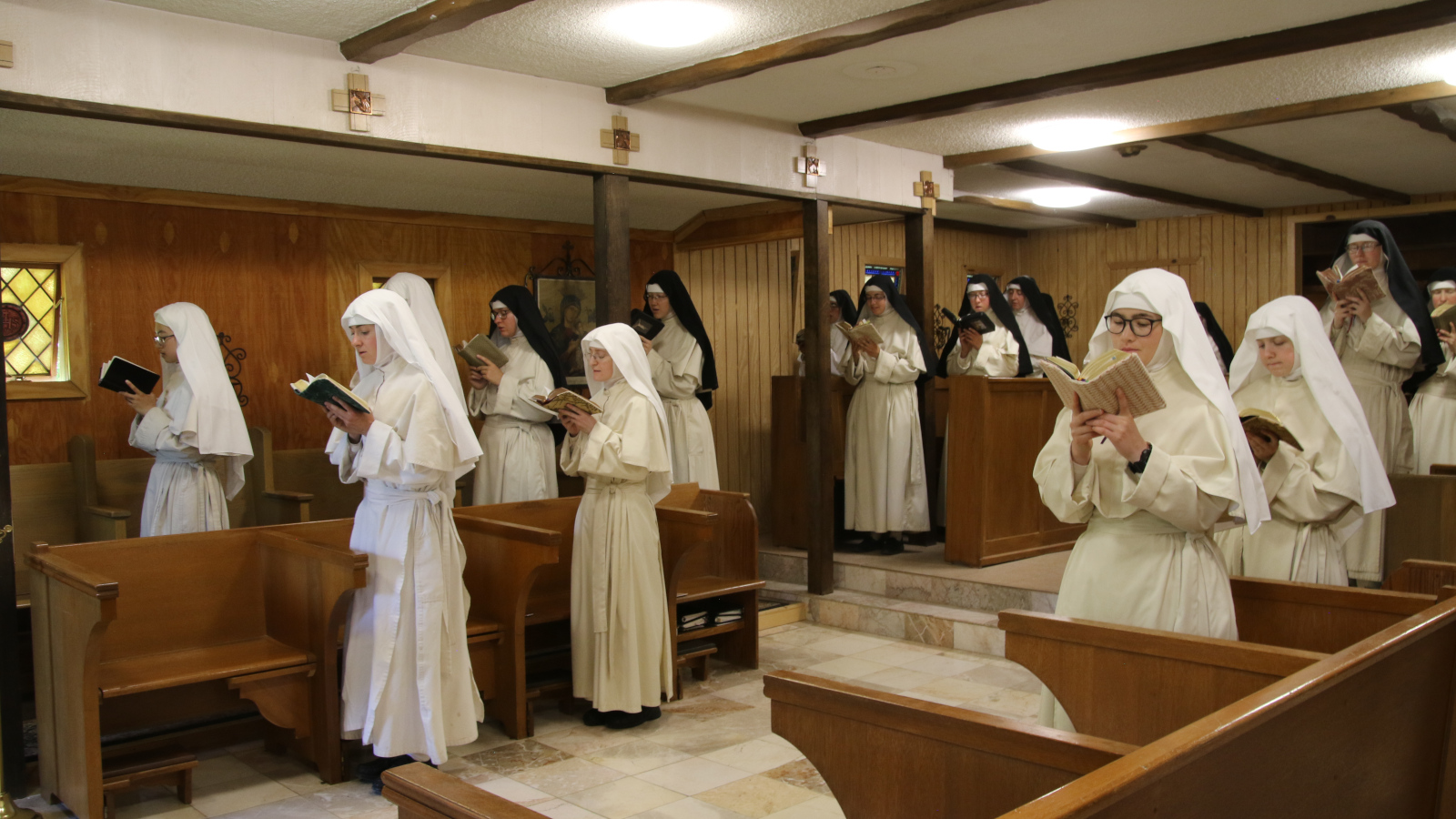
The Divine Office celebrated in Choir is a reproduction “of the singing of the heavenly and blessed spirits, who form the glorious Church in Heaven. It is for this reason that the place in which monks, friars and canons gather to recite the Office has assumed the name of choir: it is to reproduce visibly the angelic orders and the choir of saints, who incessantly praise God’s majesty” (Pope Benedict XVI, Sacramentum Caritatis, n. 35; cf. Isaiah 6:1-4 and Revelation 5:6-14). The prayer of Vespers hearkens to “the true evening sacrifice that our Savior the Lord entrusted to the Apostles at supper on the evening when he instituted the sacred mysteries of the Church” (General Instruction of the Liturgy of the Hours, n. 39).
5:30 pm Recreation
“The common exercises, such as the celebration of the office in common, shared table, work and recreation together, the value of all of which has been proven by centuries of tradition, are designed to increase the integration of the sisters into the community and to foster the union among members of the same family.”Constitutions, n. 79
Recreation is the time of day when sisters gather together to enjoy one another’s company, and to engage in activities such as walking and playing games, in projects such as processing fruit and vegetables from our garden and mending socks, as well as in hobbies such as rosary-making, knitting, crocheting, card-making, etc. Recreation is a time for relaxing from the labors of the day, and for building up fraternal bonds between sisters.
In addition to the daily period of recreation, occasional community recreational activities are organized such as hikes on our property, sporting events, and instrumental performances, which help deepen the fraternal bonds among the Sisters, as we strive to become ever more “one mind and one heart seeking God.”
6:15 pm Supper
“Subdue your flesh fasting and abstinence from food and drink. If anyone is unable to fast, let her at least take no food between meals, unless she is sick.”Rule of St. Augustine, III.1
During supper, our table readings are from a selection of lighter works, such as the lives of saints and other memorable personages in the Church, bringing edification and joy to the community.
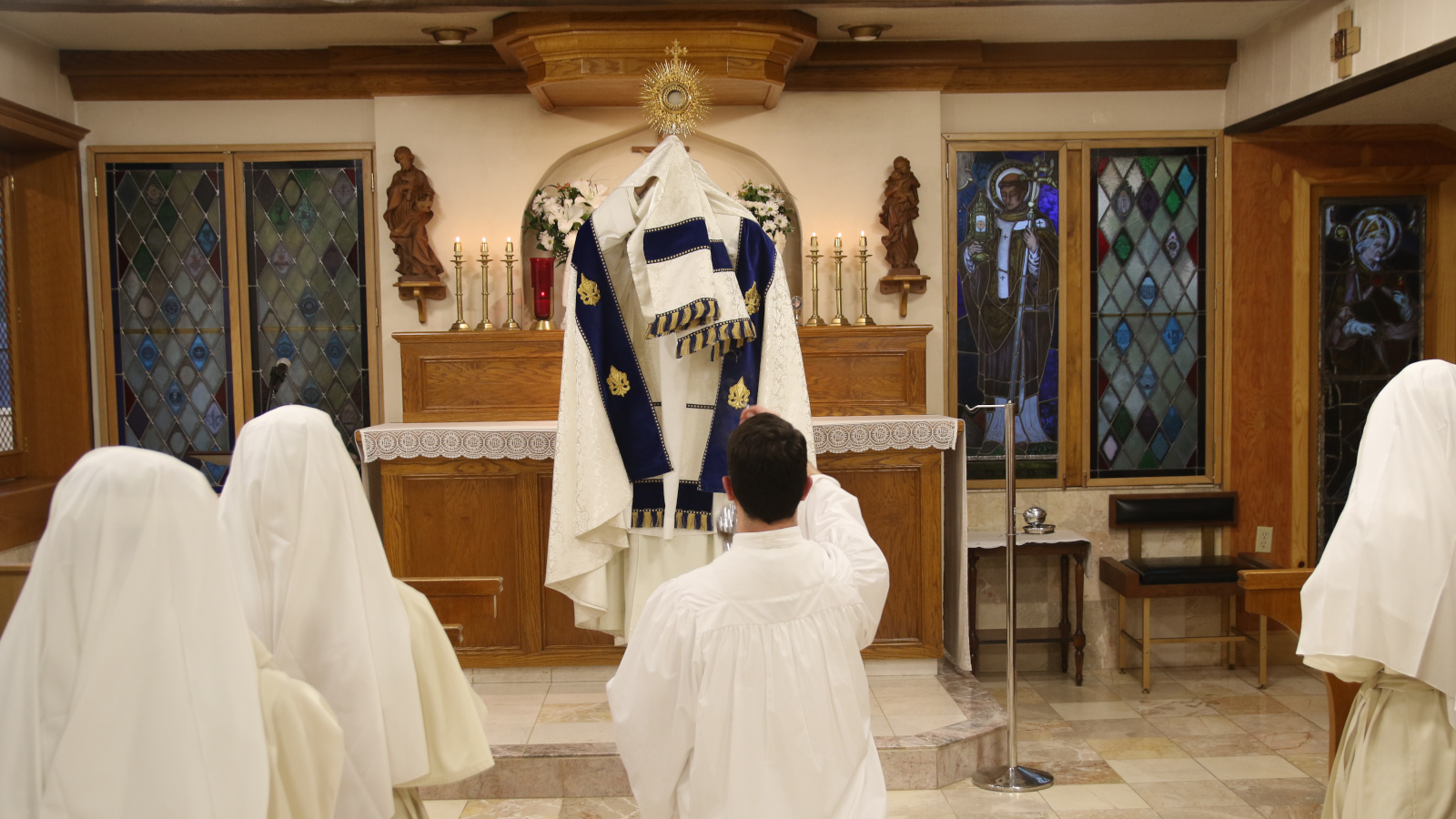
7:15 pm Adoration of the Blessed Sacrament
"This wondrous sacrament makes manifest that 'greater' love which led him to 'lay down his life for his friends.'”Benedict XVI, Sacramentum Caritatis
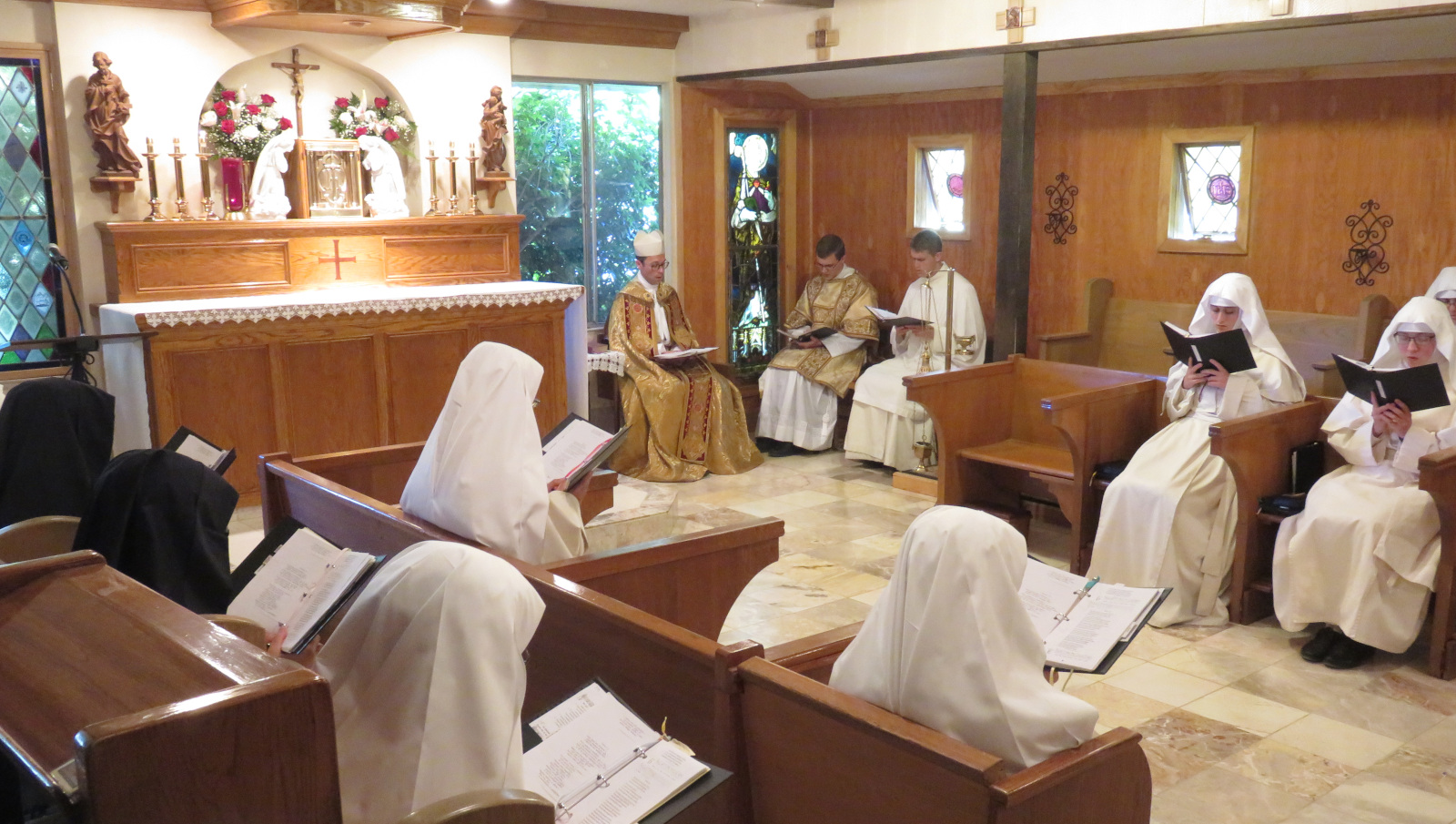
We spend an hour each evening adoring our Lord in the Most Blessed Sacrament of the Altar. The Eucharistic devotion of the sons and daughters of St. Norbert, the great champion of the Eucharist in the 12th century, finds expression above all in the solemn and reverential celebration of the Holy Sacrifice of the Mass. It is the Spirit of our Order to live the Eucharistic mystery of that greater love which leads one to lay down one’s life for one's brother, in order that all men may become one Body and one Spirit in Christ. These moments of Eucharistic adoration “prepare for the celebration of the Holy Mass; [it] prepares hearts for the encounter so that it will be more fruitful” (Pope Benedict XVI, Homily June 7, 2012).
8:00 pm Compline (Night Prayer)
“Jesus cried out in a loud voice, 'Father, into your hands I commend my spirit; and when he had said this he breathed his last.”Lk. 23:46
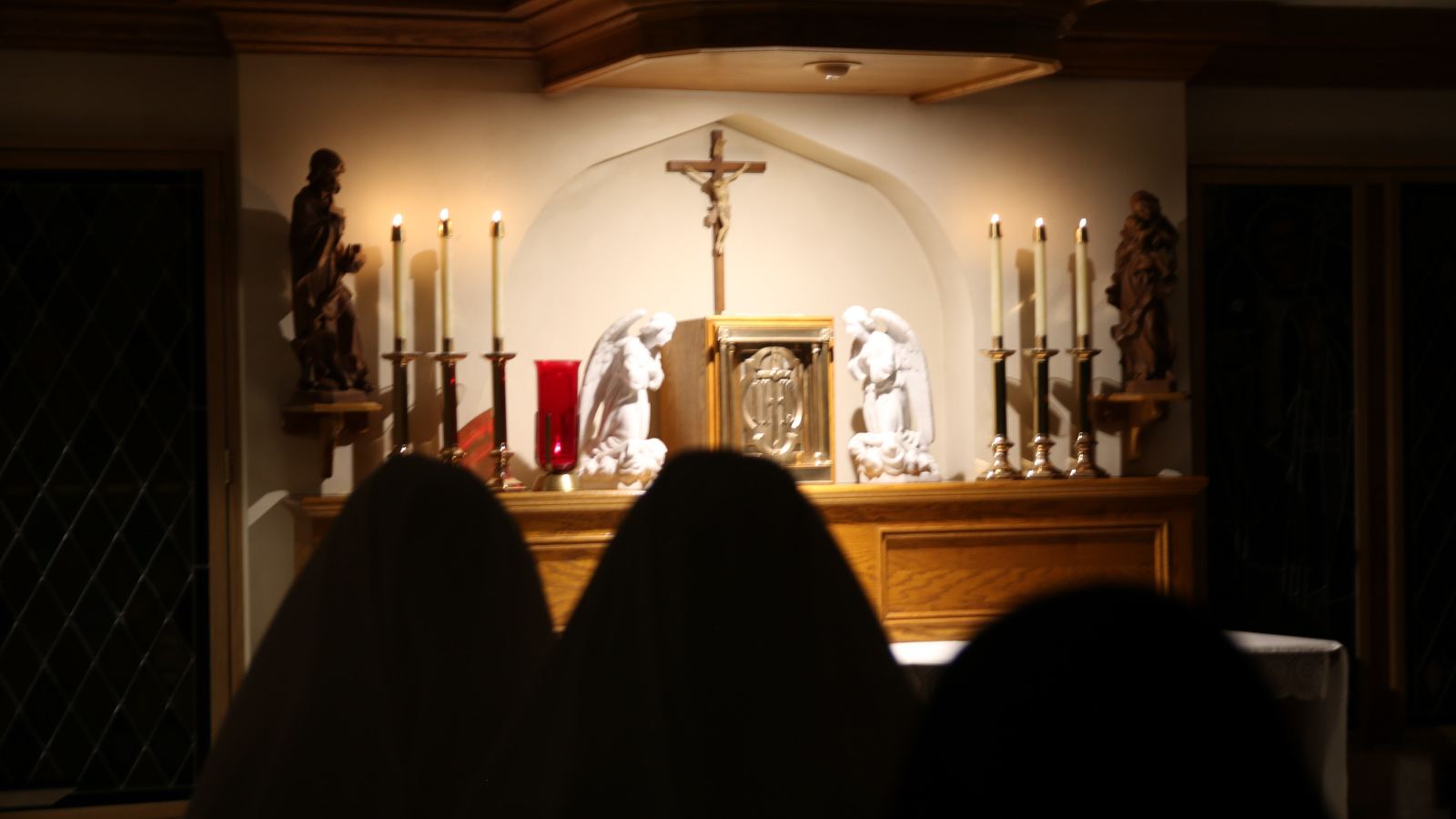
At this last Hour of the day, Holy Mother Church places on our lips the "In Manus Tua Domine" ("Into your hands, O Lord"). Sleep is a symbol and image of death, and before departing for our night’s rest, we examine our conscience, ask pardon for our sins and omissions, and commend ourselves to God.
9:00 pm Lights Out and Grand Silence
“Even if our eyes are given to sleep, may our heart always keep watch for you, and may you protect with your right hand your faithful ones, who love you.”Hymn "Christe, qui Splendor et Dies"
At 9:00 pm we retire to our rest in order to refresh our bodies and spirits for a new Eucharistic day, in which we will continue the Canticle of Praise.
“Hidden, silent life, where not only through the great canonical prayer which gathers the day and night around the blessed altar, but by the spirit that they bring to each of their exercises, [they] honor and imitate the voluntary reclusion of the sweet Captive of the Tabernacle. In the eyes of the distracted or curious world, which most often judges things according to its impressions, this life is sterility. In the eyes of those who taste the things of God, it is praise and thanksgiving.”
– Mère Marie de la Croix, 19th-Century Norbertine Canoness